NDT

NDT (nondestructive testing), also referred to as NDE (nondestructive examination) and NDI (nondestructive inspection), is a family of specialized technical inspection methods which provide information about the condition of materials and components without destroying them.

NDT examines actual production pieces and reveals the presence of flaws which can be evaluated against accept/reject criteria. It is one of the major tools of quality control and is firmly entrenched in quality programs of industries such as aerospace, automotive, defense, pipe line, power generation, preventative maintenance, pulp and paper, refinery, and shipbuilding.

There are several established NDT methods currently in industrial use. New methods are being constantly researched and developed, and many of the established ones have their effectiveness and efficiency enhanced by conversion to electronic, computerized, or robotic operation.

Forming the core of NDT are five basic methods: Liquid Penetrant Testing (PT), Magnetic Particle Testing (MT), Radiographic Testing (RT), Ultrasonic Testing (UT), and Eddy Current Testing (ET)

NIC Company. Can provide many activities by qualified and professional staff obtaining international certificates covering these activities and different experience ranges in oil and industrial field. The qualification starting from level II, ASNT, SNT-TC-1A
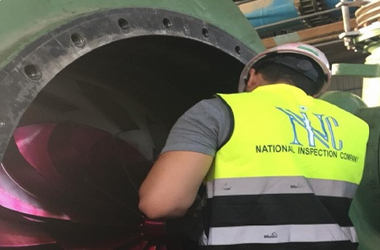
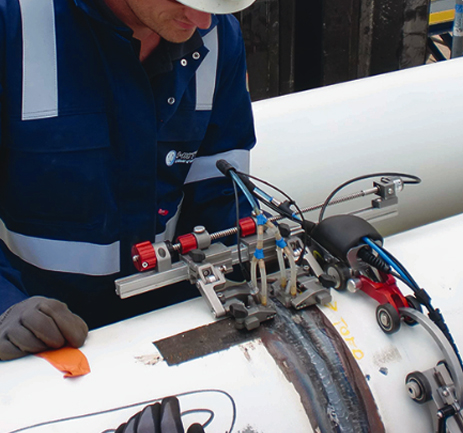
1- Conventional NDT (Non-Destructive Testing)

Utilizing traditional methods to detect defects and irregularities without causing damage to the materials.

Visual Inspection (VT)

 All manufacturing, Processing, Welding using suitable measurements tools to verify the quality of the products according to applicable documents.

Liquid Penetrant Testing (PT)

 Uses a liquid dye to reveal surface-breaking defects by highlighting them under UV light or visible light.

Magnetic Particle Testing (MPT)

 Detects surface and near-surface defects inferromagnetic materials using magnetic fields and iron particles.

Ultrasonic Testing (UT)

 Employs high-frequency sound waves to detect internal flaws within a material.

Radiography Testing (RT)

 Utilizes X-rays or Gamma-rays to view the internal structure of a component, identifying internal defects.

Vacuum Test

 Checks for leaks in a component by creating a vacuum and observing for pressure changes.

Pressure Vessel Inspection

 Involves various NDT methods to ensure the integrity of pressure vessels.

Thickness Measurement & Dry Film Thickness (DFT)

 Measures the thickness of materials, often using ultrasonic methods.

Hardness Test

Determines the hardness of a material, which can indicate its strength and wear resistance.

Replica Test

This method statement covers the replication of surface microstructures of items where sectioning is not allowed. In other words it is nondestructive technique. This usually involved bag items or crucial items which cannot be removed from its location.

Holiday Detector

 Used to detect defects or discontinuities in coatings, such as pinholes, pores, or cracks, by applying a high-voltage electrical spark.

Ferrite Test

 Typically involves measuring the ferrite content in materials, such as stainless steel or duplex steel.

Weld Check through Flaw Detector - Eddy Current Testing (ECT)

 Able to detect defects under favorable conditions. And ability detect defects in multi-layer structures without interference, etc…

Acoustic Emission Testing (AET)

 Detects and analyzes high-frequency acoustic signals emitted by materials under stress or damage.

Magnetic Flux Leakage (MFL)

 Detects corrosion and pitting in steel structures by measuring magnetic flux leakage

2 - Advanced NDT (Non-Destructive Testing)

Employing cutting-edge techniques for more precise and detailed inspections

Thermography

Uses infrared cameras to detect temperature variations on the surface, indicating defects like cracks or corrosion.

PMI (Positive Material Identification) testing

NIC provides Positive Material Identification (PMI) services, providing accurate, non-destructive alloy identification and analysis in seconds.

– Portable spectrometers analyze and identify alloys by grade and material composition.

– Using an on-board fundamental parameters algorithm program, X-ray Fluorescence PMI analyzers collect and quantify spectrum data to positively identify alloys and provide highly accurate elemental composition without any surface damage, chip removal, or time delay required by other chemical analysis processes.

– Over 400 alloy grades can be positively identified and reported with highly accurate elemental quantity by percentage.

– Analyzer function available for elements of low concentration that do not provide an exact match.

– Alloy Grade Specifications include:

  • Iron Base Alloys
  • Nickel Base Alloys
  • Tool Steel Alloys
  • Copper Base Alloys
  • Low-Alloy (Cr-Mo) steels
  • Cobalt Base Alloys
  • Titanium Base Alloys
  • Aluminum Alloys
  • Pure Elements
  • User Defined Alloy Grades

Guided Wave Testing (GWT)

 Utilizes ultrasonic waves that travel along the length of a structure (e.g., pipes) to detect defects like corrosion or cracks.

Laser Shearography

Uses laser technology to detect surface and subsurface defects by analyzing the deformation of the material under stress.

Time of Flight Diffraction (TOFD)

 Measures the time it takes for ultrasonic waves to travel through
a material and diffract off defects

Laser-Based Ultrasonics

 Utilizes lasers to generate and detect ultrasonic waves, allowing for non
contact inspection of materials.

 Phased Array Ultrasonic Testing (PAUT)

Uses multiple ultrasonic probes to create detailed images of the internal structure.

Neutron Radiography

 Uses neutrons to penetrate materials and create images of their internal structure.

Computed Tomography (CT)

 Uses X-rays to create detailed 3D images of the internal structure.

Digital Radiography (DR)

 Utilizes X-rays or Gamma-rays to view the internal structure of a component, identifying internal defects.

Eddy Current Array (ECA)

An advanced form of eddy current testing that uses multiple probes to detect subsurface defects.

Electromagnetic Acoustic Transducers (EMAT)

Uses electromagnetic fields to generate and detect ultrasonic waves in conductive materials without direct contact.

1- Conventional NDT (Non-Destructive Testing)

Utilizing traditional methods to detect defects and irregularities without causing damage to the materials.

Visual Inspection (VT): All manufacturing, Processing, Welding using suitable measurements tools to verify the quality of the products according to applicable documents.

Liquid Penetrant Testing (PT): Uses a liquid dye to reveal surface-breaking defects by highlighting them under UV light or visible light.
Magnetic Particle Testing (MPT):  Portable Yokes (AC, DC and permanent) for surface and sub-surface defects, testing may be Drying, Wet, Visible or fluorescent.
Radiography Testing (RT): Utilizes X-rays or Gamma-rays to view the internal structure of a component, identifying internal defects.
Ultrasonic Testing (UT): Employs high-frequency sound waves to detect internal flaws within a material.
Vacuum Test: Checks for leaks in a component by creating a vacuum and observing for pressure changes.
Pressure Vessel Inspection: Involves various NDT methods to ensure the integrity of pressure vessels.
Thickness Measurement & Dry Film Thickness (DFT): Measures the thickness of materials, often using ultrasonic methods.

21- Advanced NDT (Non-Destructive Testing)

Employing cutting-edge techniques for more precise and detailed inspections

Thermography: Uses infrared cameras to detect temperature variations on the surface, indicating defects like cracks or corrosion.
PMI (Positive Material Identification) testing:

NIC provides Positive Material Identification (PMI) services, providing accurate, non-destructive alloy identification and analysis in seconds.

– Portable spectrometers analyze and identify alloys by grade and material composition.

– Using an on-board fundamental parameters algorithm program, X-ray Fluorescence PMI analyzers collect and quantify spectrum data to positively identify alloys and provide highly accurate elemental composition without any surface damage, chip removal, or time delay required by other chemical analysis processes.

– Over 400 alloy grades can be positively identified and reported with highly accurate elemental quantity by percentage.

– Analyzer function available for elements of low concentration that do not provide an exact match.

– Alloy Grade Specifications include:

  • Iron Base Alloys
  • Nickel Base Alloys
  • Tool Steel Alloys
  • Copper Base Alloys
  • Low-Alloy (Cr-Mo) steels
  • Cobalt Base Alloys
  • Titanium Base Alloys
  • Aluminum Alloys
  • Pure Elements
  • User Defined Alloy Grades

Guided Wave Testing (GWT): Utilizes ultrasonic waves that travel along the length of a structure (e.g., pipes) to detect defects like corrosion or cracks.
Laser Shearography: Uses laser technology to detect surface and subsurface defects by analyzing the deformation of the material under stress.
Time of Flight Diffraction (TOFD): Measures the time it takes for ultrasonic waves to travel through a material and diffract off defects.
Laser-Based Ultrasonics: Utilizes lasers to generate and detect ultrasonic waves, allowing for non contact inspection of materials

Hardness Test: Determines the hardness of a material, which can indicate its strength and wear resistance.
Replica Test: This method statement covers the replication of surface microstructures of items where sectioning is not allowed. In other words it is nondestructive technique. This usually involved bag items or crucial items which cannot be removed from its location.
Holiday Detector: Used to detect defects or discontinuities in coatings, such as pinholes, pores, or cracks, by applying a high-voltage electrical spark.
Ferrite Test: Typically involves measuring the ferrite content in materials, such as stainless steel or duplex steel.
Weld Check through Flaw Detector – Eddy Current Testing (ECT): Able to detect defects under favorable conditions. And ability detect defects in multi-layer structures without interference, etc…
Acoustic Emission Testing (AET): Detects and analyzes high-frequency acoustic signals emitted by materials under stress or damage.
Magnetic Flux Leakage (MFL): Detects corrosion and pitting in steel structures by measuring magnetic flux leakage

 Phased Array Ultrasonic Testing (PAUT): Uses multiple ultrasonic probes to create detailed images of the internal structure.
Neutron Radiography: Uses neutrons to penetrate materials and create images of their internal structure.
Computed Tomography (CT): Uses X-rays to create detailed 3D images of the internal structure.
Digital Radiography (DR): Utilizes X-rays or Gamma-rays to view the internal structure of a component, identifying internal defects.
Eddy Current Array (ECA): An advanced form of eddy current testing that uses multiple probes to detect subsurface defects.
Electromagnetic Acoustic Transducers (EMAT): Uses electromagnetic fields to generate and detect ultrasonic waves in conductive materials without direct contact.